Why Everyone Is Talking About Cuban Bakery Aurora CO
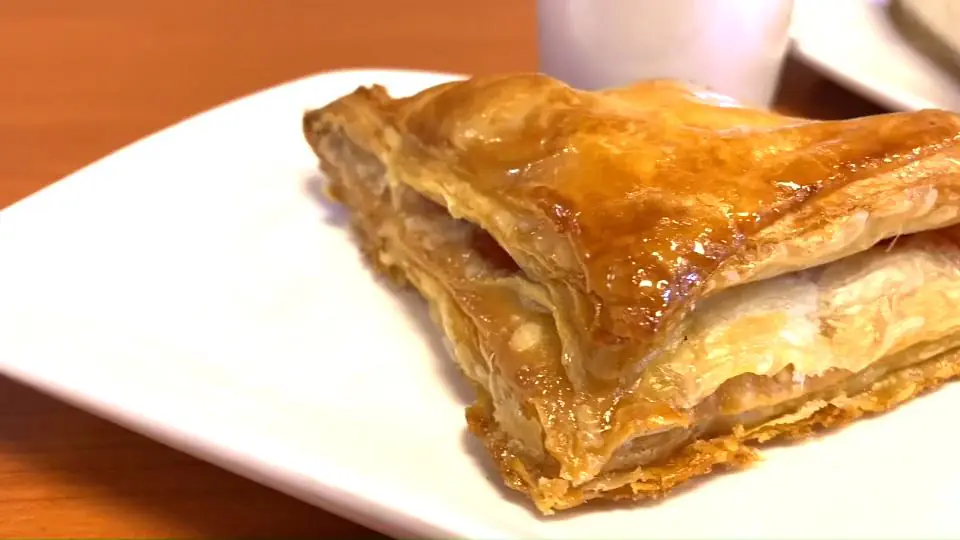
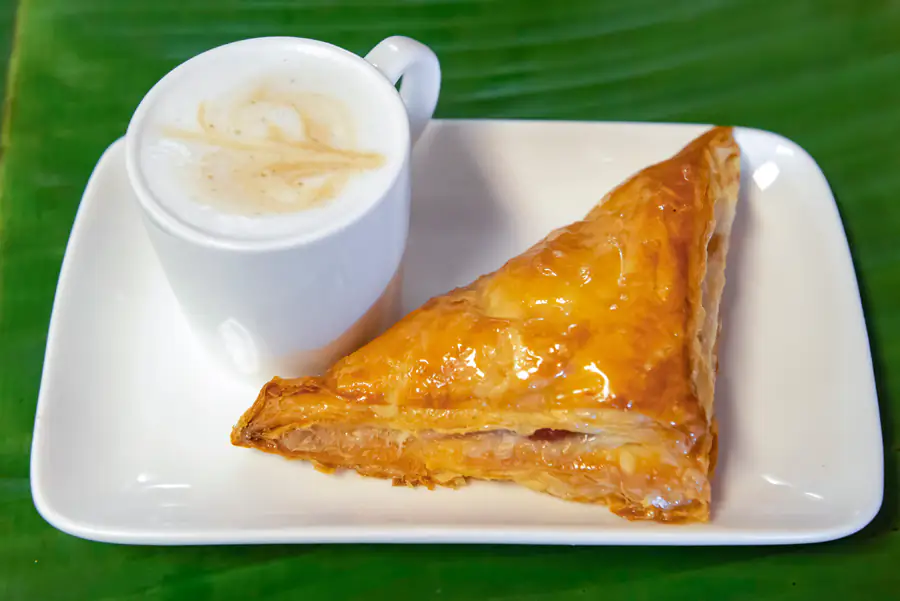
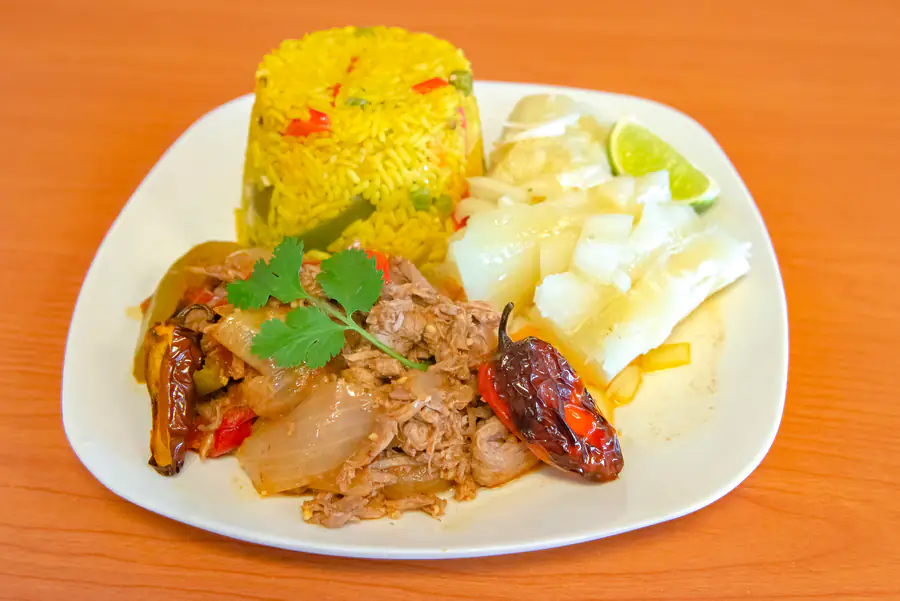
Aurora has never been a one-note food town. Its dining scene has been shaped by military families, immigrant communities, long-established neighborhoods, and the kind of independent operators who build loyal followings one tray, one coffee, one conversation at a time. That is exactly why the phrase Cuban bakery Aurora CO keeps coming up in local food discussions. People are not only looking for something sweet. They are looking for a place that feels rooted, specific, and worth going out of the way for.
A good Cuban bakery delivers more than pastries behind glass. It creates a rhythm. There is usually the scent of butter and guava near the door, espresso moving steadily, a counter that turns over quickly in the morning, and regulars who know what they want before they reach the register. Even if you are new to Cuban baking, you can feel when a shop has that energy. It is practical, welcoming, and deeply tied to daily life.
The attention around Cuban bakeries in Aurora also reflects a broader change in how people eat now. Diners are less impressed by generic concepts and more interested in foods with identity. They want dishes and baked goods that carry history, not just presentation. In that environment, Cuban baking stands out. It offers a style of food that is both comforting and distinctive, familiar enough to crave often, and special enough to talk about afterward.
The appeal starts with flavor, but it does not end there
When people first walk into a Cuban bakery, they often notice the range. There may be flaky pastries with guava paste, cream cheese, coconut, or meat fillings. There may be soft breads, cakes for celebrations, cookies, savory options, and a coffee program that matters as much as the pastry case. That variety is part of the attraction. A bakery like this can cover breakfast, an afternoon stop, a family dessert run, and a quick box of pastries for the office.
The flavors are memorable because they balance richness with brightness. Guava is a perfect example. It brings sweetness, acidity, and perfume, which keeps buttery dough from feeling heavy. Cream cheese adds tang and body. Coconut lends texture and aroma. Savory fillings, when done well, give the menu depth and make the bakery a practical stop rather than a special-occasion destination. The best bakeries understand this instinctively. They know customers want choices that fit different moments of the day.
There is also a textural point that often gets overlooked. Cuban pastries can be deeply satisfying because they rely on contrast. The top may shatter slightly, the interior may stay tender, and the filling can be jammy or creamy. That interplay matters. It is what separates a pastry that looks good in the case from one people think about later in the day.
Why Aurora is the right place for this conversation
Aurora rewards food businesses that understand community. It is a city where word of mouth still counts, where people will drive for a place that gets the details right, and where families often become repeat customers faster than trend-chasing diners do. A Cuban bakery fits that environment especially well because it serves both specialists and newcomers.
For those who grew up with Cuban pastries, bread, or coffee, a strong local bakery can feel like a bridge back to home, family, and habit. For those discovering the tradition for the first time, the bakery can be an easy entry point. You do not need a lecture to understand why a warm pastry and a sharp, sweet coffee work. You just need one good https://damienbiqt791.fotosdefrases.com/cuban-bakery-aurora-co-freshly-baked-traditions-daily visit.
Aurora’s pace also matters. This is not a city where every meal has to become a production. Many residents want places that are dependable, reasonably priced, and suitable for real life. Cuban bakeries often excel here. A customer can walk in for a quick breakfast, pick up a half-dozen pastries for work, or stop in on the way to a family gathering and find something that makes sense for the moment. That versatility is a major reason the local conversation keeps growing.
Cuban coffee is part of the story
No discussion of a Cuban bakery is complete without coffee. In practice, the coffee counter and the pastry case are in constant dialogue. One sharpens the other. Sweet pastries need coffee with enough backbone to cut through butter and sugar. Good coffee, in turn, becomes more interesting next to a pastry with fruit, cream, or a savory filling.
Cuban coffee culture has its own logic. It values intensity, speed, and sociability. Small servings can carry an outsized impact. People do not always sit for long. They stop, order, talk, reset, and continue with the day. That pattern suits bakery life perfectly. It creates movement without sacrificing warmth.
This is one reason the phrase Cuban bakery Aurora CO resonates with so many people online and in conversation. It suggests more than a retail category. It hints at a whole experience: pastry, coffee, routine, hospitality, and a setting where regulars matter. A lot of food businesses can imitate the visual cues. Fewer can create that lived-in feeling.
What makes a Cuban bakery genuinely good
From a professional food perspective, the strongest bakeries are rarely the loudest. They tend to win on consistency. The dough is handled carefully. Fillings taste fresh rather than one-note. Sugar levels are controlled instead of overwhelming. Savory pastries hold moisture without turning soggy. Coffee comes out at the proper strength and temperature. The display case looks abundant, but the product still moves quickly enough to avoid fatigue.
That may sound straightforward, yet it is difficult in day-to-day bakery operations. Pastry quality depends on timing, humidity, storage, oven management, and disciplined production. Denver-area altitude can complicate baking in ways visitors do not always appreciate. Doughs behave differently, evaporation shifts, and formulas often need adjustment. A bakery that produces reliable texture and flavor under those conditions is doing skilled work.
There is also a hospitality dimension. In bakeries with staying power, service tends to feel direct and efficient, not performative. Staff know the menu, regulars feel recognized, and first-time visitors can ask basic questions without feeling out of place. That matters. For many customers, bakeries become part of a routine only when the food is good and the interaction is easy.
Nostalgia is real, but quality is what keeps people coming back
A lot of food writing leans too heavily on nostalgia. It is true that Cuban baked goods carry emotional weight for many families. Certain pastries can call up a grandparent’s kitchen, a neighborhood bakery, or holiday gatherings that live on through taste more than memory. But nostalgia alone does not sustain a business. People may make one sentimental trip. They come back because the bakery performs.
That distinction matters in Aurora. The city has enough competition, enough cultural range, and enough savvy diners that a business cannot coast on identity. Local loyalty is earned. If the pastries are dry, if the coffee is weak, if the menu feels unfocused, customers notice quickly. If the bakery delivers week after week, the community responds just as quickly.
In practical terms, this is why local enthusiasm can build so fast around a place that gets it right. One family picks up pastries for a birthday breakfast. A coworker brings in a box on a Friday. Someone posts a photo of a guava pastry and cortadito. Another customer learns they can grab savory options as well. Within a few weeks, the bakery is no longer just a bakery. It becomes a recommendation.
The social media factor, used well and badly
Part of the recent buzz around bakery culture comes from visual platforms. Pastries photograph beautifully. Laminated dough, sugar sheen, bright fillings, and stacked bakery boxes are easy to share. Cuban pastries have enough color and shape variation to stand out in a crowded feed. That certainly helps.
Still, social media can distort expectations. A photogenic pastry is not necessarily a balanced one. Some shops everywhere have learned how to chase attention with oversized portions or excessive sweetness. Those tactics create curiosity, but they rarely create regulars. The bakeries people keep talking about over months, not just over a weekend, are usually the ones that understand restraint.
The more interesting effect of online chatter is how it broadens the audience. Ten years ago, a newcomer might have felt uncertain walking into a culturally specific bakery if they did not know what to order. Now many arrive with some context. They have seen the pastries, heard about the coffee, or read someone’s quick explanation of a favorite item. That lowers the barrier and helps a bakery build a more diverse customer base without diluting what makes it distinctive.
Why pastries matter differently now
Independent bakeries occupy an unusual place in modern dining. They are both everyday and special. A person may stop in wearing gym clothes at 7:30 in the morning, and another may arrive later needing dessert for a family celebration. Few food businesses move so naturally between those two roles.
Cuban bakeries are especially good at this because they are not locked into a single use case. They can serve breakfast, coffee breaks, casual gifting, and holiday needs with equal credibility. A box of pastries can show generosity without feeling extravagant. That has become more important in recent years as people look for forms of hospitality that feel personal but manageable.
Prices also play a role. While exact costs vary by bakery and by item, pastries often remain one of the more accessible ways to experience a food tradition. A family can sample several things without committing to a full sit-down meal. For newcomers, that lowers the stakes. For regulars, it supports habit. When a place offers quality at a fair price, conversation spreads naturally.
The role of craftsmanship
One of the quiet reasons people keep talking about Cuban bakery culture is that it makes craftsmanship visible. You can see folding, glazing, shaping, proofing, and baking translated directly into the final result. This is food where technique is not hidden.
A guava pastry that holds together properly tells you something about dough handling and filling control. A well-baked loaf tells you about fermentation, timing, and oven judgment. Even the way a pastry sits in the case, whether it looks lively or tired, says something about production discipline. Customers may not use technical language, but they can sense the difference immediately.
Professionals in baking know that consistency is often harder than creativity. It is easy to produce one excellent tray. It is much harder to turn out tray after tray while managing a rush, staffing constraints, ingredient costs, and changing weather. That is why serious bakery regulars often sound so passionate. They know they are not just buying sweetness. They are buying competence.
A bakery can anchor a neighborhood
There are restaurants you visit for an event, and there are food businesses that become part of the neighborhood’s daily circulation. Bakeries belong to the second category when they are run well. They attract morning traffic, support nearby shops, and create small repeat interactions that strengthen local habits.
In Aurora, that neighborhood role carries extra weight because the city is spread out and varied. People often build their own local circuits, a coffee stop, a grocery, a bakery, a lunch counter, a market, rather than relying on one central district. A strong Cuban bakery can become one of those anchors. It gives residents a place they can claim as part of their weekly routine.
That may be the biggest reason everyone is talking about it. Food buzz is not always about novelty. Often it is about belonging. When a place fits into people’s actual lives, they talk about it differently. Their recommendation is not abstract. It is personal. They know when to go, what to order, what sells out, and what to bring home for someone who has never been.
What first-time visitors should pay attention to
If you are curious about the Cuban bakery Aurora CO conversation, your first visit should be less about chasing a single famous item and more about reading the whole room. Notice whether the pastry case looks refreshed or picked over. Watch what regulars order. Smell the coffee. Ask a simple question and see how the staff responds. Those details will tell you almost as much as the first bite.
When I evaluate a bakery, I usually look for balance. Is the sweet selection varied without feeling chaotic? Are there savory choices that suggest the bakery understands practical eating, not just indulgence? Does the pastry have a clear identity, or does everything taste mostly of sugar and butter? Is the coffee treated as a serious product, not an afterthought? These are simple benchmarks, but they rarely fail.
It is also worth trying more than one category if you can. Many bakeries are stronger in one area than another. Some excel in fruit pastries but have average savory items. Others nail the coffee and bread but rely on standard sweets. The best spots maintain quality across the board, even if a few standout items lead the reputation.
The trade-offs every bakery faces
Romanticizing bakery work misses the point. Running a bakery is demanding. Margins can be tight, skilled labor is hard to retain, ingredients fluctuate in price, and quality can slip fast if production gets stretched. This is true for every style of baking, including Cuban bakery operations.
That is why menu design matters so much. A bakery has to offer enough variety to attract a broad customer base, but not so much that freshness suffers. It has to honor traditional expectations while adapting to local demand. It has to produce quickly enough for breakfast traffic without sacrificing the character of the goods. Those are real trade-offs, and they shape what ends up in the case.
Customers benefit when they understand that tension. A smaller, sharper menu can be a sign of discipline, not limitation. Sellouts can indicate strong turnover, though repeated early shortages may also suggest underproduction. High demand is flattering, but execution under demand is what separates a talked-about bakery from a lasting one.
Why the buzz feels earned
The most credible food excitement usually builds from repeated good experiences. One person has a great pastry. Another confirms the coffee is worth the stop. A third says the service feels warm and unpretentious. Over time, that overlap creates confidence. It is no longer hype. It is reputation.
That is where the current fascination with Cuban bakery Aurora CO sits for many people. It reflects a search for food with character, but also for places that still feel local in the best sense of the word. Independent bakeries offer a kind of reliability that chain concepts cannot easily copy. They create memory through routine, not just spectacle.
And there is something reassuring about that. In a dining culture that often chases the next opening, the next trend, or the next viral pastry, a Cuban bakery stands for older and sturdier pleasures. A strong coffee. A warm pastry. A familiar counter. A box carried home for other people to enjoy. That combination never really goes out of style.
The conversation is bigger than one pastry case
People are talking about Cuban bakeries in Aurora because they represent several things at once. They showcase a specific culinary tradition. They meet everyday needs with real skill. They give communities a gathering point. They remind diners that pastry can be both simple and deeply expressive.
Most of all, they prove that bakery culture still matters when it is tied to place and practice. Not every food business becomes part of local life. The ones that do tend to have clear identity, disciplined execution, and the ability to make strangers feel like regulars a little sooner than expected. That is exactly the sort of place people keep mentioning to friends, coworkers, and out-of-town guests.
So when the phrase Cuban bakery Aurora CO keeps surfacing, it is not random. It is the sound of a city responding to quality, tradition, and the pleasure of finding a bakery that understands what people actually want. Not just a good pastry, though that certainly helps. A place worth returning to. A place worth sharing. A place that earns the conversation around it.
Cuba Bakery & Café
15028 E Mississippi Ave, Aurora, CO 80012
+1 303-752-2822
FAQ About Cuban bakery Aurora CO
What are Cuban pastries called?
Many small Cuban pastries are called pastelitos. They can have sweet or savory fillings, such as guava, cheese, guava and cheese, or seasoned meat. Cuba Bakery & Café lists guava, cheese, guava-and-cheese and beef pastries on its menu. Ask the bakery about current availability and ingredients when ordering.
What are traditional Cuban pastries?
Common Cuban bakery choices include flaky pastelitos filled with guava, cheese or meat. Cuban bakeries may also offer empanadas, breads and desserts alongside coffee. Cuba Bakery & Café lists pastelitos, several empanada fillings, pan Cubano and desserts such as tres leches and bread pudding. Selection can vary, so confirm the day's choices with the bakery.
What makes Cuban bread different?
Cuban bread is known for its light interior and a thin crust that becomes crisp when toasted or pressed. Traditional recipes often use lard, although ingredients vary by baker. It is commonly served as buttered toast or used for Cuban sandwiches. Cuba Bakery & Café lists pan Cubano and tostada on its menu; ask staff about the ingredients in their bread if you have dietary restrictions.